
For more than three decades, the U.S. federal government has recognized National Native American Heritage Month each November. The histories of Native American communities across the continent we now call North America have included tragedy and turmoil but also stories of community support, celebration of nature, and contributions to the United States and the rest of the world. That complicated journey is especially evident in the health and wellbeing of Native American people over time. People specifically identifying as American Indian or Alaska Native suffer from relatively high rates of death by suicide compared to other people living in the United States, for example, and yet we also can find important innovations in suicide prevention which various Native American communities have helped to develop. At a time when much of the world suffers from fragmentation and discord, successful suicide prevention efforts remind us how important human connections are to our survival.
Although we have discussed suicide as a social problem on our show during the past decade, we had yet to directly focus on suicide prevention among Native American people before recently. We begin to remedy that on this episode of The Measure of Everyday Life, which features three researchers at RTI International who, together with colleagues, have been lifting up compelling new work in communities across the continent. You can find some of their written insights in web posts such as a recent piece on suicide prevention among Native American people and earlier articles on efforts to measure suicide prevalence as well as work on general models for suicide prevention.
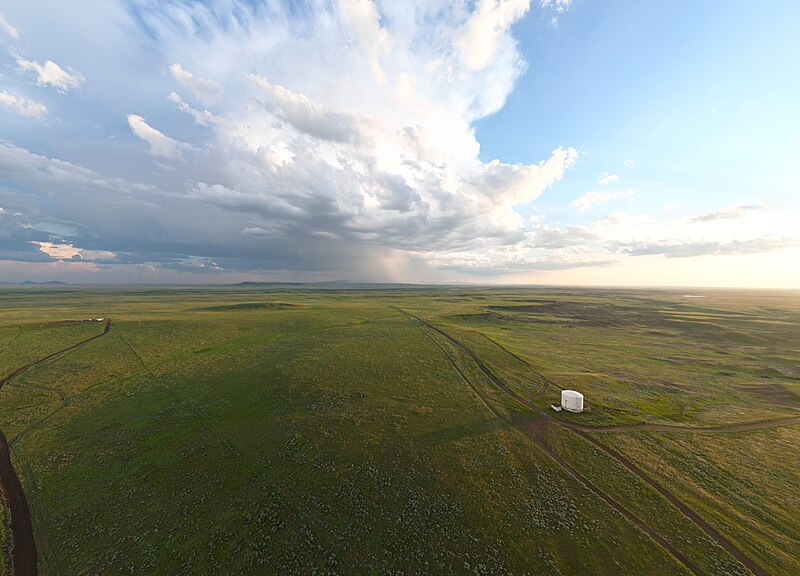
Photo credit: Fort Belknap Indian Reservation, Lukas Eddy, CC BY-SA 4.0 https://creativecommons.org/licenses/by-sa/4.0 via Wikimedia Commons
 The Measure of Everyday Life